Medically Reviewed by: Dr.Omer Sheriff, MBBS, MS (Orthopaedics), Fellowship in Joint Replacement
Years of Experience: 24+Years,
Last Reviewed: October 2026
Children can develop bone, joint, muscle and movement-related conditions at different stages of growth. These may result from injuries, congenital differences, developmental conditions or problems affecting the musculoskeletal system. A clinical assessment helps identify the cause and determine whether observation, non-surgical treatment or surgery may be appropriate.
When looking for a pediatric orthopedic surgeon in Chennai, parents and caregivers should consider the doctor’s recognized qualifications, professional registration, relevant experience with children and the treatment facilities available. Children require age-appropriate assessment because their bones and growth plates differ from those of adults.
What Does a Pediatric Orthopedic Surgeon Do?
A paediatric orthopaedic surgeon evaluates and manages musculoskeletal conditions in infants, children and adolescents. Depending on their training and clinical scope, this may include fractures, limb alignment concerns, congenital foot or hip conditions, sports injuries and selected spinal or growth-related problems.
The assessment may involve a discussion of the child’s symptoms and medical history, a physical examination and, when indicated, imaging or other investigations. Treatment recommendations depend on the child’s age, stage of development, diagnosis, symptom severity and overall health.
Not every orthopaedic condition requires surgery. A doctor may recommend monitoring, casting, bracing, physiotherapy or another non-surgical approach when clinically appropriate.
Common Pediatric Orthopedic Conditions
Fractures and Growth Plate Injuries
Falls, sports and other accidents can cause fractures in children. Some injuries involve growth plates, which contribute to bone growth. Assessment helps determine the type of injury and the appropriate treatment, such as a cast, splint or surgical management in selected cases.
Follow-up may be needed to check healing and identify possible effects on growth or alignment.
Clubfoot and Foot Conditions

Clubfoot is a congenital condition in which a baby’s foot is turned inward and downward. Treatment often begins early and may involve a series of casts, followed by bracing. Other foot and walking concerns require assessment based on the child’s age, symptoms and examination findings.
Hip Conditions in Children
Some children develop hip conditions that affect joint development, movement or comfort. Developmental dysplasia of the hip is one example. The assessment and treatment depend on the child’s age and the severity of the condition. Early evaluation may be important when a hip problem is suspected.
Bowlegs, Knock Knees and Limb Alignment
Changes in leg alignment can occur naturally during childhood. Some patterns improve as a child grows, while others may require further evaluation. A clinician may consider the child’s age, degree of alignment, whether the appearance affects one or both legs, progression over time and any associated pain or walking difficulty.
Sports Injuries
Children and adolescents who participate in sports may experience sprains, fractures, ligament injuries or other musculoskeletal problems. Treatment depends on the injury and may involve activity modification, support, rehabilitation or surgery in selected cases. Return to sports should be guided by recovery and clinical advice.
Spinal Curvature and Posture Concerns
Conditions such as scoliosis involve an abnormal sideways curvature of the spine. Assessment may include a physical examination and imaging when indicated. Management depends on the degree of curvature, the child’s growth stage and whether the condition is progressing. Options may include monitoring, bracing or surgery for selected cases.
How are Pediatric Orthopedic Conditions Assessed?
A child’s assessment generally begins with a discussion of symptoms, the timing of their onset, previous injuries, developmental history and relevant medical conditions. The clinician may examine movement, joint function, limb alignment, walking pattern and the affected area.
X-rays or other imaging may be recommended when needed to clarify the diagnosis or plan treatment. Not every child requires imaging. The decision should be based on the clinical findings and the need for further investigation.
Parents should share any changes in walking, persistent pain, swelling, reduced movement or concerns about limb development during the consultation.
Treatment Options for Children
Treatment is selected according to the diagnosis, the child’s age, growth stage and individual needs.
- Observation and follow-up: Some developmental variations may require monitoring rather than immediate intervention.
- Casting and bracing: These methods may be used for selected fractures, clubfoot and certain alignment or spinal conditions.
- Physiotherapy and rehabilitation: Exercises and guided rehabilitation may help restore movement, strength and function after an injury or procedure when clinically appropriate.
- Medication: A clinician may recommend suitable medication for pain or other symptoms, considering the child’s age, weight, medical history and other medicines.
- Surgery: An operation may be considered when a condition requires surgical correction or cannot be managed adequately with non-surgical treatment. The doctor should explain the reason for surgery, possible alternatives, expected recovery and relevant risks.
Parents and caregivers should discuss the benefits and limitations of each recommended option and ask questions before making treatment decisions.
When Should Parents Seek Medical Assessment?
Consider arranging an assessment if a child has persistent bone or joint pain, repeated falls associated with movement difficulties, a noticeable change in walking, swelling after an injury, restricted joint movement or a progressive change in limb alignment.
Seek urgent medical care after a significant injury, if a limb appears deformed, if the child cannot bear weight, or if there is severe pain, an open wound, numbness or a cold or pale limb. Fever with a hot, swollen joint also requires urgent assessment.
These symptoms can have different causes. A healthcare professional can determine the appropriate next steps.
How to Choose a Pediatric Orthopedic Surgeon in Chennai
When considering a doctor for a child’s orthopaedic concern, parents and caregivers can:
- Check the doctor’s recognised medical qualifications and current professional registration.
- Ask about training and clinical experience relevant to the child’s particular condition.
- Confirm whether the doctor evaluates and treats children within their professional scope.
- Understand the recommended investigations and why they are needed.
- Ask about non-surgical and surgical treatment options, including potential risks.
- Discuss follow-up, rehabilitation and monitoring during growth.
- Ask when a second opinion or referral to a paediatric orthopaedic subspecialist may be appropriate.
The most suitable care depends on the child’s individual condition and the clinician’s relevant qualifications and experience. A particular treatment or technology does not guarantee a specific result.
About Dr. Omer Sheriff
Dr. Omer Sheriff is an orthopaedic surgeon with 24+ years of overall orthopaedic experience, as stated in his professional profile. His listed qualifications include MBBS, D.Ortho, MS Orthopaedics and a Fellowship in Joint Replacement; these details should be verified against current professional records before publication.
Parents seeking advice about a child’s bone, joint or movement concern should confirm that the proposed consultation and treatment fall within Dr. Omer Sheriff’s current clinical scope and experience. If a condition requires specialised paediatric orthopaedic expertise, referral to an appropriately trained specialist may be recommended.
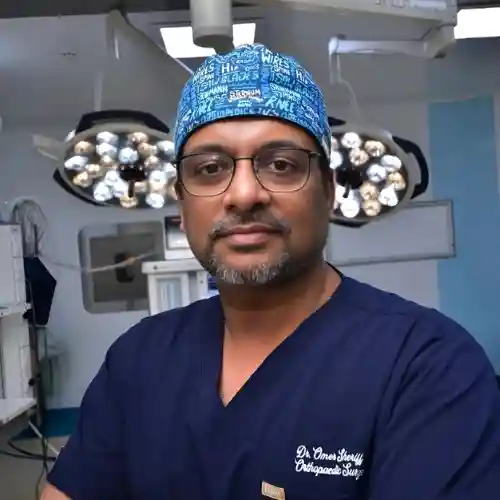
During a consultation, parents can discuss the child’s symptoms, examination findings, possible investigations, available treatment options and follow-up requirements. Treatment decisions should be based on the child’s clinical needs rather than promotional claims.
Follow-Up and Recovery
Follow-up needs vary according to the diagnosis and treatment. Children treated for fractures may need repeat assessments to monitor healing, while some developmental conditions require observation as the child grows. After surgery, the care team may provide instructions on wound care, activity restrictions, rehabilitation and return to school or sports.
Parents should follow the treating clinician’s advice and report new or worsening symptoms. The expected recovery timeline depends on the condition, treatment and the child’s individual progress.
Supporting Your Child’s Orthopaedic Health
Early assessment can help clarify whether a child’s symptoms reflect normal development, an injury or a condition that needs treatment. A qualified clinician can explain the findings and help families understand the available options.
For children with ongoing bone, joint or movement concerns, seek an individual assessment, ask questions about the proposed care and ensure that treatment decisions account for the child’s growth, safety and long-term function.
Read also: Flat Feet in Children