

Medically Reviewed by: Dr. Omer Sheriff, MBBS, MS (Orthopaedics), Fellowship in Joint Replacement
Years of Experience: 24+ Years
Last Reviewed: September 2026
Living with long-standing joint pain can gradually drain the joy out of life walking, climbing stairs, or even sitting comfortably can become true challenges. But for many seniors and those with degenerative joint conditions like arthritis, arthroplasty offers a reliable solution to restore mobility and reduce pain. As an experienced arthroplasty doctor in Royapettah, I aim to educate patients about the procedure and its benefits. In this article, you’ll find a clear understanding of what arthroplasty surgery entails.
Arthroplasty Surgery Overview
Arthroplasty is a surgical procedure performed to repair a damaged joint. It’s typically performed on the knee, hip, or shoulder that has failed to respond to conservative treatment.
Think of it as a way to restore joint function like new hinges the procedure helps joints affected by degenerative conditions regain range of motion and mobility. Thanks to recent innovative improvements in orthopedic surgery, knee joint replacement has become increasingly safe and effective.
Doctor Profile
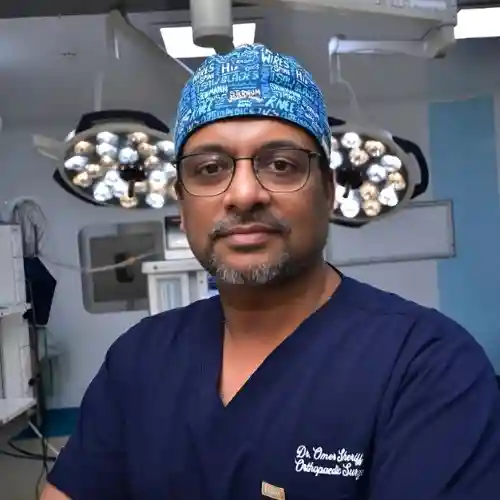
Dr. Omer Sheriff, MBBS, MS (Orthopedics) Orthopedic & Joint Replacement Surgeon · 24+ Years of Experience
Dr. Omer Sheriff is a reputed orthopedic surgeon and knee joint replacement specialist with experience in both local and international settings. He’s widely recognized as one of the leading knee surgeons in India, known for his expertise in knee preservation and replacement surgery, and advanced minimally invasive techniques. As a knee replacement expert, he also specializes in complex revision knee replacement surgeries. His extensive experience, personalized patient-centered approach, and use of modern technology-assisted precision have made him a trusted name in the field.
- Experience: Complex and high-risk knee replacement surgeries
- Specialization: Knee preservation and advanced knee replacement techniques
- Techniques: Robotic-assisted knee replacement surgeries
- Care: Personalized treatment plans and post-surgery rehabilitation protocols
An experienced arthroplasty doctor in Royapettah considers multiple factors before recommending surgery the condition of the joint, the patient’s lifestyle and activity level, and the extent of joint damage. Through a personalized assessment, the surgeon can recommend the most appropriate implant and surgical approach, and develop a rehabilitation plan suited to the patient’s lifestyle and long-term joint function.
I specialize in knee replacement and knee revision surgeries, and I consult and operate at Orthomed Hospital, located on Royapettah High Road giving patients in the local area convenient access to consultations and surgery without long-distance travel.
Arthroplasty Surgery vs. Joint Replacement
Arthroplasty surgery and joint replacement are often confused with each other, but they’re distinctly different terms. Arthroplasty is a catch-all term for a variety of procedures used to repair or replace a damaged joint. Joint replacement is one type of arthroplasty one that involves replacing a damaged joint with an artificial implant.
The most common types of joint replacement are knee and hip replacement, though the procedure can also be performed on other joints, such as the shoulder. Arthroplasty procedures more broadly can also be used to repair joints damaged by accidents or injuries.

Your doctor will recommend the procedure best suited to your needs, weighing factors like the location and severity of your joint damage, along with your activity level and lifestyle.
Who is a Candidate for Arthroplasty Surgery?
Joint pain doesn’t always require surgery, but there are certain instances when it may be necessary. Recognizing these signs is important, since seeking prompt medical attention can help prevent further joint damage and complications.
Arthroplasty surgery may be recommended if you’re experiencing:
- Chronic Joint Pain: Long-lasting joint pain that persists for months or even years can often signal an underlying joint condition. Unlike pain triggered by overuse that eases with rest, chronic pain tends to steadily worsen and can start affecting sleep and daily activity.
- Worsening Joint Damage: Tissues that cushion and protect the joints, like cartilage, can gradually degrade over time especially in conditions like osteoarthritis leading to bones rubbing against each other, intense pain, and inflammation. Diagnostic imaging can confirm the severity and whether surgery is indicated.
- Restricted or Limited Range of Motion: Stiffness can progressively reduce your ability to perform everyday tasks like bending or walking, as the joint becomes less flexible.
- Late-Stage Arthritis: Conditions like osteoarthritis and rheumatoid arthritis can cause significant joint degeneration as they progress, leading to chronic pain that medication alone may not control.
- Joint Abnormalities or Misalignment: Structural irregularities can cause improper alignment, placing extra stress on the joint and causing pain that typically worsens over time.
- Pain with Common Activities: Pain during routine movements or tasks is often a strong indicator that an underlying issue needs medical attention.
- Persistent Discomfort Despite Conservative Treatment: If physiotherapy, medication, or injections aren’t providing adequate relief, surgical options are worth considering.
- Joint Damage from an Accident or Trauma: Falls or injuries can cause joint damage that may need surgical intervention.
- Impact on Overall Well-Being: Chronic joint pain can significantly affect physical and mental health, along with sleep quality.
- A Specialist’s Assessment: Ultimately, it’s a specialist’s role to determine whether surgery is the right course of action, evaluating your symptoms and overall health so you can make an informed decision about your care.
Common Conditions Treated with Arthroplasty
Arthroplasty is typically indicated for chronic joint conditions that are often degenerative and progressively worsen over time, causing pain, stiffness, and limited range of motion.
- Degenerative Osteoarthritis: The most common reason for joint replacement surgery. Cartilage that cushions the ends of bones gradually degenerates, eventually leading to bone-on-bone contact. Early diagnosis can slow progression, but advanced cases often need surgery.
- Rheumatoid Arthritis and Other Autoimmune Joint Diseases: These conditions cause inflammation and joint damage that impacts mobility. Left untreated, they can lead to significant degeneration arthroplasty can restore joint function in advanced cases.
- Severe Joint Pain with Stiffness: Often a sign of an underlying inflammatory condition that limits daily activity and range of motion.
- Joint Damage from Injury: Injuries from accidents or other causes can lead to damage significant enough to require surgical repair.
- Progressive Age-Related Degeneration: Natural aging can reduce joint function and flexibility; surgery may become necessary if conservative measures aren’t enough.
- Limitation of Joint Movement or Flexibility: Reduced range of motion that meaningfully impacts everyday tasks and movement.
- Congenital or Acquired Joint Abnormalities: Structural irregularities, whether present from birth or developed later, may require surgical correction to prevent further complications.
- Chronic Joint Inflammation: Long-lasting inflammation can gradually affect joint function, sometimes requiring surgery if conservative treatment doesn’t help.
Eligibility and Consultation for Arthroplasty Surgery
Arthroplasty is typically indicated for chronic joint conditions that don’t respond to conservative management and progressively worsen over time, ultimately affecting a person’s range of motion and ability to perform daily activities.
Preparing for Arthroplasty Surgery
Proper preparation plays a crucial role in ensuring the best possible surgical outcome it not only supports a smoother surgery but also promotes faster post-operative recovery. Patients who actively participate in their pre-surgery preparation tend to recover better and regain functionality sooner. Working closely with an experienced arthroplasty doctor in Royapettah ensures you get the comprehensive guidance and support needed for optimal preparation.
- Initial Consultation: A detailed evaluation to identify the underlying cause and develop a treatment plan
- Comprehensive Medical Assessment: Diagnostic tests to assess overall health and surgical suitability
- Review of Current Medications: Evaluating existing medications and advising on any necessary adjustments
- Management of Co-existing Conditions: Conditions like diabetes or hypertension need to be well-managed before surgery
- Preparatory Exercise and Diet: Regular exercise and a balanced diet can improve surgical outcomes
- Avoiding Harmful Substances: Cutting out alcohol and tobacco supports better healing
- Preparing for Post-Surgery Support: Arranging home assistance in advance for a smoother recovery
Following medical advice and maintaining open communication with your doctor can significantly improve the chances of a successful outcome and speed up healing.
Types of Arthroplasty Procedures
- Knee Replacement: Typically recommended for severe osteoarthritis or joint pain that significantly limits daily activity replaces the damaged joint with an artificial implant to restore function.
- Hip Replacement: Indicated for significant hip joint damage from degenerative conditions or trauma, replacing damaged parts with artificial components to improve mobility and reduce pain.
- Shoulder Joint Replacement: Often recommended for severe pain, stiffness, or limited range of motion in the shoulder, especially when non-surgical treatment hasn’t worked.
- Partial Joint Replacement: Suited to localized joint damage replaces only the affected portion while preserving healthy tissue, reducing surgical extent and supporting quicker recovery.
- Repeat or Revision Joint Replacement: Sometimes a previously replaced joint requires further surgery if the implant becomes damaged or worn over time.
Each procedure has its own indications and considerations, which should be carefully evaluated by an experienced arthroplasty doctor in Royapettah before making a recommendation.
What to Expect During Arthroplasty Surgery
Arthroplasty is typically performed under anesthesia, so patients don’t experience pain during the procedure. It’s carried out by a qualified orthopedic surgeon and generally takes a few hours, with the primary goal of restoring joint function.
- Incision: The surgery begins with an incision made by the surgeon to access the joint.
- Removal of Damaged Tissue: The surgeon removes any damaged tissue or bone from the affected joint.
- Restoration of Joint Function: With precision and skill, the surgeon replaces the damaged joint surfaces with implants to restore function and range of motion.
Current surgical practice prioritizes minimizing tissue damage, which reduces post-operative discomfort and speeds up healing. The worn-out joint surfaces are replaced with implants designed to mimic natural joint function, ultimately helping patients move with more ease and comfort.
Recovery After Arthroplasty Surgery
Recovery timelines vary significantly from person to person, but here are general guidelines that can help set realistic expectations:
| Timeline | Recovery Milestone |
| Day 1 | Standing and walking short distances with assistance |
| Weeks 1–2 | Hospital discharge, use of a walker or crutches, incision care |
| Weeks 2–6 | Increased walking, reduced swelling, physiotherapy begins |
| 6–12 Weeks | Returning to most daily activities |
| 3–6 Months | Improved strength; most patients largely back to normal |
Physiotherapy is integral to a successful recovery patients who stay committed to their therapy generally report quicker progress and better functional outcomes than those who discontinue it early.
Conclusion
Arthroplasty is a transformative procedure for many patients, restoring joint function and letting them engage in daily activities with renewed confidence. As an experienced arthroplasty doctor in Royapettah, I strive to provide the highest level of expert care to patients considering this procedure. By understanding the procedure, preparing adequately, and consulting with a qualified specialist, patients can make informed decisions and support a smoother recovery.


