

Medically Reviewed by: Dr. Omer Sheriff, MBBS, MS (Orthopaedics), Fellowship in Joint Replacement
Years of Experience: 24+ Years
Last Reviewed: November 2026
Bone and joint problems can affect much more than physical movement. Persistent knee pain can make climbing stairs difficult, back pain can interrupt a working day, and a fracture can temporarily change the way a person manages everyday activities. Finding the reason behind these problems is an important first step towards appropriate care.
An orthopaedic doctor in Chennai evaluates conditions affecting bones, joints, muscles, ligaments and tendons. These include osteoarthritis, knee and hip pain, shoulder stiffness, sports injuries, fractures and certain spine-related conditions. The treatment approach depends on the diagnosis, severity of symptoms, general health and individual needs.
Whether you are experiencing discomfort while walking, recovering from a sports injury or seeking an assessment for an elderly family member, an orthopaedic consultation can help you understand the available treatment options.
Meet Dr. Omer Sheriff – Orthopaedic Doctor in Chennai
Dr. Omer Sheriff MBBS, MS Orthopaedics, Fellowship in Joint Replacement
Orthopaedic Surgeon | Joint Replacement | Trauma and Sports Injury Care and having 24+ years of experience
Dr. Omer Sheriff provides orthopaedic care for people experiencing bone, joint and musculoskeletal problems. His clinical interests include joint replacement, trauma and fracture management, and sports-related orthopaedic conditions.
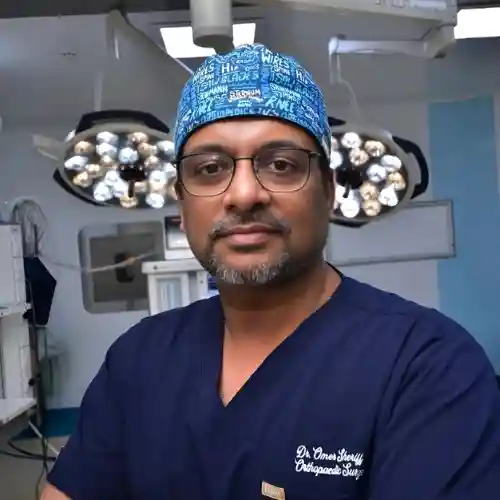
His approach to orthopaedic assessment involves understanding the patient’s symptoms, medical history, physical limitations and treatment expectations. These details help determine whether further investigations, non-surgical management or a surgical opinion may be appropriate.
Patients looking for an ortho specialist in Chennai can consider an evaluation based on their particular condition, the doctor’s verified qualifications and relevant clinical experience.
What Does an Orthopaedic Doctor Treat?
The musculoskeletal system includes bones, joints, muscles, ligaments, tendons and supporting structures. Problems affecting these areas can develop gradually through age-related changes or occur suddenly following an injury or accident.
An orthopaedic doctor assesses these conditions and helps patients understand the possible causes and appropriate management options.
Knee and Hip Conditions
Knee and hip discomfort can affect walking, standing, climbing stairs and other everyday movements. Osteoarthritis is one possible cause, particularly among middle-aged and older adults, although injuries and other joint conditions can also produce similar symptoms.
Common concerns include knee stiffness after sitting, pain while climbing stairs, swelling around the joint, restricted hip movement and discomfort while walking.
An orthopaedic assessment may include a physical examination and imaging when clinically indicated. Depending on the findings, treatment may involve prescribed exercises, physiotherapy, medication, selected injections or joint replacement evaluation.
For patients researching knee pain treatment in Chennai, understanding the underlying cause is more important than selecting a treatment based on symptoms alone.
Back, Neck and Spine Problems
Long working hours, prolonged sitting, repetitive movements and certain spinal conditions can contribute to back and neck discomfort.

Working professionals may experience neck stiffness, shoulder discomfort, lower back pain or pain extending towards the legs. These symptoms can have different causes, including muscular strain, nerve irritation and disc-related problems.
An orthopaedic evaluation helps identify whether the symptoms require conservative management, further investigations or specialist referral. MRI scans are not necessary for every episode of back pain; the decision depends on the clinical findings and warning signs.
If back pain is accompanied by progressive leg weakness, numbness around the groin or loss of bladder or bowel control, urgent medical assessment is necessary.
Sports Injuries and Ligament Problems
Physical activity supports general health, but injuries can occur during running, gym workouts, cricket, football and other sports.
Common sports-related orthopaedic concerns include:
- ACL and other ligament injuries.
- Meniscus tears.
- Ankle sprains.
- Shoulder instability.
- Tennis elbow and golfer’s elbow.
- Tendon injuries and runner’s knee.
Pain, swelling, instability or difficulty putting weight on an injured limb should not be ignored. The type of assessment and treatment depends on the injured structure, severity and the patient’s activity requirements.
Sports injury management may include activity modification, rehabilitation, physiotherapy or surgery in selected cases. Returning to sports should depend on functional recovery and professional assessment rather than a fixed timeline.
Fractures and Trauma
Fractures may occur following road accidents, workplace injuries, falls or sports-related incidents. Older adults can also experience fractures after relatively minor falls, particularly when bone strength is reduced.
Treatment depends on the location, type and stability of the fracture. Some fractures can be managed with immobilisation, while others may require surgical fixation to support appropriate bone alignment and healing.
After an accident, severe pain, visible deformity, an open wound or an inability to use the affected limb requires prompt medical evaluation. Avoid attempting to straighten or reposition an injured limb yourself.
Paediatric Orthopaedic Conditions
Children’s bones and joints are still developing, so their orthopaedic needs can differ from those of adults.
Parents may have concerns about flat feet, bow legs, knock knees, walking difficulties, scoliosis or injuries sustained while playing. Some variations are part of normal growth, while others may need further evaluation.
An assessment considers the child’s age, growth pattern, symptoms and physical development. Parents should seek medical advice when a child experiences persistent pain, difficulty walking, progressive limb deformity or restricted movement.
Orthopaedics Treatment in Chennai
Orthopaedic treatment is not limited to surgery. Many conditions can be managed through non-surgical approaches, while certain injuries and advanced joint problems may require surgical intervention.
The treatment plan should be based on the diagnosis, the patient’s health and the expected benefits and limitations of each available option.
Non-Surgical Treatment Options
Non-surgical management may be considered for patients with joint discomfort, selected sports injuries, muscular problems and certain spinal conditions.
Depending on the diagnosis, options may include physiotherapy, supervised exercises, activity modification, appropriate medication and selected injections.
For example, a person experiencing early knee osteoarthritis may benefit from an individualised exercise programme and advice on joint loading. Someone with work-related neck discomfort may require posture assessment and exercises to address contributing factors.
Not all treatments are appropriate for every patient. Their suitability should be assessed by a qualified medical professional.
Surgical Treatment Options
Surgery may be considered when the condition, injury severity and expected benefits support an operative approach.
Depending on the diagnosis and the doctor’s area of practice, orthopaedic procedures may include:
- Total and partial knee replacement: Considered for selected patients with significant knee joint damage.
- Hip replacement: May be considered for advanced hip joint damage affecting movement and daily activities.
- Arthroscopy: A minimally invasive procedure used for selected joint conditions.
- Ligament reconstruction: May be considered for certain ligament injuries, including selected ACL tears.
- Fracture fixation: Used when surgical stabilisation is required for a fracture.
Surgical decisions require an individual assessment and discussion of potential benefits, risks, alternatives and rehabilitation requirements. No particular procedure should be considered necessary without evaluating the patient’s condition.
When Should You Consult an Orthopaedic Specialist?
Not every episode of joint or muscle discomfort requires specialist attention. However, persistent symptoms, repeated injuries and changes in mobility deserve appropriate evaluation.
Consider an orthopaedic consultation if you experience:
- Knee or hip pain that interferes with walking.
- Persistent shoulder stiffness or restricted movement.
- Repeated swelling around a joint.
- Back or neck pain that affects daily activities.
- Difficulty bearing weight after an injury.
- Recurrent sports injuries or joint instability.
- Fractures or pain that continues after an earlier injury.
Sudden severe injuries, suspected fractures and neurological warning signs require urgent assessment rather than waiting for a routine appointment.
Orthopaedic Care for Different Age Groups
Orthopaedic concerns vary according to age, physical activity, health and lifestyle. Understanding these differences helps patients and families seek the right assessment.
Adults between 40 and 65: Osteoarthritis, knee pain, hip discomfort and shoulder stiffness can gradually affect mobility. Early assessment can help identify suitable management options before symptoms significantly interfere with everyday activities.
Senior citizens: Bone health, osteoporosis, falls and fractures become important considerations with advancing age. Families may need guidance about fracture management, joint replacement assessment, mobility support and rehabilitation after treatment.
Working professionals: Prolonged desk work and repetitive movements can contribute to back pain, neck stiffness and shoulder discomfort. An assessment can help identify contributing factors and appropriate management.
Sports and fitness enthusiasts: Ligament injuries, meniscus tears, ankle sprains and tendon problems may require an assessment based on injury severity and activity goals.
Children and teenagers: Growth-related concerns, walking abnormalities and sports injuries should be evaluated according to the child’s developmental stage.
What Happens During an Orthopaedic Consultation?
An orthopaedic consultation generally begins with a discussion of your symptoms and medical history. The doctor may ask when the pain started, whether an injury occurred and which activities increase or reduce discomfort.
A physical examination may assess joint movement, tenderness, muscle strength, stability and the ability to perform certain movements.
If necessary, the doctor may recommend investigations such as X-rays, ultrasound, CT scans or MRI. These tests are selected according to the clinical findings rather than performed routinely for every patient.
After evaluating the available information, the doctor can explain the likely diagnosis, treatment options and whether further assessment is required.
Patients can make their consultation more useful by bringing previous scan reports, medical records, current medication details and information about earlier treatments.
Dr. Omer Sheriff’s Consultation Locations in Chennai
Dr. Omer Sheriff provides orthopaedic consultations at Meridian Hospital in Kolathur, Vinita Hospital in Nungambakkam, Orthomed Hospital in Royapettah and a consultation centre in T. Nagar, Chennai. Patients looking for an Orthopaedic Doctor in Kolathur, Nungambakkam or an Orthopedic Doctor in T. Nagar can consult him for bone, joint and sports-related concerns.
Meridian Hospital, Kolathur, Chennai
46D, Jawaharlal Nehru Road, 200 Feet Ring Road, Kolathur, Chennai, Tamil Nadu 600099.
Vinita Hospital, Nungambakkam, Chennai
No. 70, Josier Street, Tirumurthy Nagar, Nungambakkam, Chennai, Tamil Nadu 600034.
Orthomed Hospital, Royapettah, Chennai
New No. 85, Royapettah High Road, Royapettah, Chennai, Tamil Nadu 600014.
Consultation schedules and availability can vary by hospital. Patients should confirm the relevant details before visiting.
Conclusion
Bone, joint and musculoskeletal problems can affect people at different stages of life. Persistent knee pain, back discomfort, sports injuries, fractures and age-related joint conditions may require different approaches to assessment and treatment.
When searching for an orthopaedic doctor in Chennai, patients should consider verified medical qualifications, relevant clinical experience, the nature of their condition and the available treatment options.
Dr. Omer Sheriff provides orthopaedic consultations for joint-related concerns, fractures, trauma and sports injuries at selected locations in Chennai. An individual medical assessment can help patients understand their condition and discuss appropriate next steps.
Read also: Hip Joint Replacement in Chennai


