Medically Reviewed by: Dr. Omer Sheriff, MBBS, MS (Orthopaedics), Fellowship in Joint Replacement
Years of Experience: 24+Years
Last Reviewed: November 2026
Sports injuries can affect athletes, fitness enthusiasts and people who participate in recreational physical activities. Pain, swelling, restricted movement or joint instability after exercise may require assessment by an orthopaedic specialist. Consulting a sports ortho doctor in Chennai can help patients understand the cause of an injury and explore appropriate treatment options.
Sports orthopaedics focuses on conditions affecting bones, joints, muscles, ligaments, tendons and cartilage. Treatment depends on the type and severity of the injury, the patient’s general health and their activity goals.
What Does a Sports Orthopaedic Doctor Treat?
A sports orthopaedic doctor evaluates musculoskeletal injuries associated with sports, exercise and repetitive physical activity. Common conditions include:
- ACL and other ligament injuries: Damage that may cause knee instability or difficulty changing direction.
- Meniscus injuries: Damage to the cartilage in the knee that may cause pain, swelling or restricted movement.
- Shoulder injuries: Conditions such as rotator cuff tears, shoulder instability and selected dislocations.
- Muscle and tendon injuries: Strains, tears and overuse conditions affecting movement.
- Sports-related fractures: Bone injuries sustained during training, competition or recreational activities.
- Ankle and joint injuries: Sprains and other conditions that affect balance, mobility and weight-bearing.
An appropriate clinical assessment helps determine whether further investigations, non-surgical treatment or a surgical opinion may be necessary.
Sports Injury Treatment in Chennai
Sports injuries do not affect professional athletes alone. A person who runs every morning, exercises at the gym, plays weekend cricket or participates in badminton can also develop problems involving muscles, tendons, ligaments and joints. Sometimes the discomfort begins gradually after repeated activity. In other cases, a sudden twist, fall or awkward landing causes pain and swelling that makes movement difficult.
Sports injury treatment in Chennai begins with understanding how the injury occurred, which part of the body is affected and how it influences everyday activities. An orthopaedic assessment may include checking joint movement, muscle strength, tenderness, stability and the ability to bear weight. Depending on the findings, an X-ray, ultrasound or MRI may be recommended to investigate the suspected injury. The treatment plan is then discussed according to the diagnosis, activity level and individual recovery needs.
Sports Injury Treatment Without Surgery in Chennai
Does every sports injury require an operation? No. Several sports-related conditions can be managed through non-surgical approaches, depending on the extent of tissue damage and the patient’s symptoms. Mild muscle strains, selected ligament injuries, tendon problems and many ankle sprains may improve with appropriate activity modification, physiotherapy and other conservative measures.
Sports injury treatment without surgery in Chennai may involve temporary changes to exercise routines, prescribed medication when appropriate, supportive braces and a structured rehabilitation programme. Physiotherapy can help improve flexibility, strength, balance and joint control. However, a complete ligament tear, significant joint instability or certain associated injuries may require a surgical opinion. The decision should follow a clinical examination and a discussion of the available options, including their benefits and limitations.
Sports Knee Injury Treatment in Chennai
Knee pain can interfere with running, climbing stairs, squatting, jumping and playing sports. Among physically active individuals, common problems include ACL injuries, PCL injuries, meniscus tears, patellar tendon problems and pain around the kneecap. A football player may experience instability after changing direction, while a runner may develop discomfort after gradually increasing training distance. Gym-goers may also experience knee symptoms during squats and weight-bearing exercises.
Sports knee injury treatment in Chennai depends on the underlying condition. An orthopaedic doctor may assess swelling, knee movement, ligament stability and the ability to walk or perform specific movements. Some conditions can be managed with activity modification and rehabilitation, while selected ligament and meniscus injuries may require arthroscopic procedures. Treatment planning should also consider whether the patient wants to return to competitive sport, recreational exercise or comfortable everyday movement.
Shoulder and Sports Injuries Specialist
Shoulder discomfort is common among people who participate in swimming, badminton, tennis, cricket and weight training. Repeated overhead movements and heavy lifting can place considerable demands on the shoulder joint and surrounding tendons. Symptoms may include pain while raising the arm, difficulty reaching behind the back, weakness during lifting or discomfort when sleeping on the affected side.
A shoulder assessment helps identify whether symptoms may be associated with rotator cuff problems, shoulder impingement, instability, tendon irritation or another musculoskeletal condition. Depending on the findings, treatment may involve activity modification, medication when appropriate and physiotherapy. Selected rotator cuff tears, recurrent shoulder dislocations and other structural injuries may require further investigation and consideration of surgical treatment. The appropriate approach depends on the individual’s condition rather than the sport they participate in.
Sports Injury Rehabilitation and Return to Sport
Recovering from a sports injury involves more than waiting for pain to settle. Muscles may lose strength during periods of reduced activity, and joints may become stiff or less stable. Rehabilitation helps address these changes through progressive exercises that are selected according to the injury and the patient’s stage of recovery.
A return-to-sport plan may consider joint movement, muscle strength, balance, coordination and the ability to perform movements relevant to the patient’s activity. For example, a runner may need to demonstrate comfortable walking, jogging and gradual running progression, while a badminton player may need to regain confidence with lunging and direction changes. Returning to full training before adequate recovery may increase the risk of another injury. Clearance should therefore be based on clinical assessment and functional readiness rather than a fixed number of days.
Sports Injuries in Children and Teenagers
Children and teenagers who participate in school sports, cricket academies, football, athletics and other activities may experience injuries involving growing bones and joints. Their musculoskeletal system is still developing, so certain injuries can affect growth plates as well as surrounding ligaments and muscles. Knee pain, repeated ankle sprains, swelling after a fall and difficulty participating in physical activities should not automatically be dismissed as normal growing pains.
An orthopaedic assessment can help determine whether the symptoms are related to a muscle strain, ligament injury, fracture or growth-plate problem. Imaging may be advised when clinically indicated. Treatment depends on the injury and the child’s age, development and activity requirements. Parents should seek medical advice before allowing a child to resume sports after a significant injury, particularly when pain, swelling or restricted movement continues.
When Should You Seek Urgent Medical Attention?
Some sports injuries require prompt medical evaluation rather than waiting for a routine consultation. An obvious joint deformity, suspected fracture, open wound, severe pain or inability to bear weight should be assessed urgently. Sudden numbness, unusual weakness, or a limb that becomes cold or pale following an injury also requires emergency attention.
If a joint becomes markedly swollen, locks, repeatedly gives way or cannot move normally, arrange a timely medical assessment. Avoid continuing sports or strenuous exercise when a significant injury is suspected. Early evaluation helps identify the nature of the injury and determine whether further treatment is needed.
About Dr. Omer Sheriff – Orthopaedic Surgeon in Chennai
Dr. Omer Sheriff is an orthopaedic surgeon in Chennai with experience in orthopaedic conditions, trauma care, joint replacement and sports-related injuries. His qualifications include MBBS, D.Ortho, MS Orthopaedics and a Fellowship in Joint Replacement, as listed on his official website.
His clinical interests include the assessment and management of ligament injuries, knee and shoulder conditions, fractures and other musculoskeletal problems. Patients experiencing pain during running, gym workouts, cricket, badminton or other physical activities can discuss their symptoms and treatment requirements during an orthopaedic consultation.
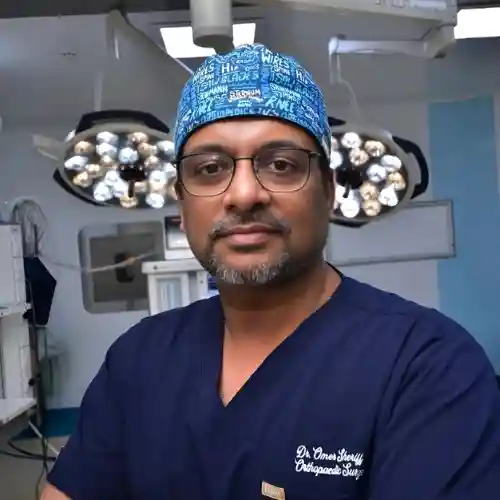
Treatment recommendations depend on the nature of the injury, clinical findings and the patient’s activity requirements. Options may include medication when appropriate, activity modification, physiotherapy, rehabilitation or surgical procedures for selected conditions.
Dr. Omer Sheriff provides consultations at selected hospitals in Chennai. Patients can enquire about appointment availability and discuss their sports-related orthopaedic concerns before planning treatment.
How are Sports Injuries Diagnosed?
Diagnosis usually begins with a discussion of how the injury occurred, the symptoms experienced and any previous injuries or treatments. The doctor may examine joint movement, muscle strength, stability, swelling and the ability to bear weight.
Depending on the findings, investigations such as X-rays, ultrasound or MRI may be recommended. Not every injury requires imaging; the choice depends on the clinical assessment.
Sports Injury Treatment Options
Treatment is individualised according to the injury, its severity and the patient’s functional needs. Options may include:
- Activity modification: Temporarily adjusting activities that aggravate symptoms.
- Medication: Medicines for pain or inflammation when clinically appropriate.
- Physiotherapy: Guided exercises to improve movement, strength, balance and joint function.
- Bracing or support: Used for selected injuries when appropriate.
- Injection-based treatments: Considered in specific cases after discussing evidence, potential benefits, risks and alternatives.
- Surgery: Procedures such as arthroscopy, ACL reconstruction, meniscus treatment or rotator cuff repair may be considered for selected injuries.
Surgery is not necessary for every sports injury. The decision should be based on the diagnosis, symptoms, functional limitations, treatment alternatives and the patient’s informed preferences.
Arthroscopy and Ligament Reconstruction
Arthroscopy is a surgical technique that uses a small camera and specialised instruments to assess or treat certain joint conditions. It may be considered for selected meniscus, cartilage, ligament and shoulder problems.

ACL reconstruction may be considered when an ACL injury causes persistent instability or affects activities that require pivoting and sudden changes of direction. Suitability depends on factors such as the extent of the injury, associated damage, activity goals and response to rehabilitation.
The potential benefits, risks, limitations and recovery requirements should be discussed with the treating surgeon before a procedure is chosen.
The Role of Physiotherapy and Rehabilitation
Rehabilitation is an important part of managing many sports injuries, whether treatment involves surgery or not. A physiotherapist may guide patients through exercises that gradually improve mobility, muscle strength, coordination and joint stability.
Progression depends on the injury and the patient’s response to treatment. Returning to sport too early may increase the risk of further injury. A healthcare professional can help determine when the patient is ready to resume specific activities.
When Should You Consult a Sports Injury Specialist?
Consider a medical assessment for persistent pain, recurring swelling, restricted joint movement, repeated sprains or a feeling that a joint is giving way.
Seek urgent medical attention after an injury if there is an obvious deformity, an open wound over a suspected fracture, severe pain, inability to bear weight or a limb that becomes cold, pale, numb or unusually weak.
Read More: Foot & Ankle Replacement Surgery in Chennai.